
Grayscale Report: Deconstructing the Bitcoin Mining Business Model and Sustainability


Original Article Title: The Power of Bitcoin Mining
Original Article Author: Zach Pandl, Grayscale
Original Article Translation: Luffy, Foresight News
The reason Bitcoin has been able to become a global cryptocurrency system is thanks to the competitive process of mining. The mining mechanism ensures the normal updating of the blockchain and coordinates the economic incentives of the entire network. Today, the Bitcoin mining network is massive, generating over 700 exahashes per second.
Bitcoin miners' revenue comes from newly minted bitcoins and network transaction fees. Their expenses cover equipment, electricity, and other operational costs. Many miners also hold Bitcoin on their balance sheets, and an increasing number of miners are expanding their businesses into Artificial Intelligence (AI) and High-Performance Computing (HPC) services.
Grayscale Research estimates that Bitcoin mining accounts for 0.2% of the global electricity consumption; compared to other industries, clean energy has a higher share in the electricity consumed by Bitcoin mining. Bitcoin mining may help accelerate environmental goals, especially in areas such as methane emissions.
Bitcoin is a decentralized computer network that stores $2 trillion in value. The achievement of this modern miracle relies entirely on mining: network participants compete to add the next block to the blockchain and earn the right to a reward. Today, the operational scale of Bitcoin mining is astounding, transforming actual energy into digital security. The computational power used to secure the Bitcoin blockchain, like a digital "vault," is the mechanism by which an autonomous computer network becomes a global digital currency system. The specialized technical expertise, capital expenditures, and ongoing operational costs required to operate Bitcoin mining facilities, along with the industry's high competitiveness, help maintain the decentralization of the Bitcoin network while making the cost of attacks prohibitively high.
Investing in publicly listed Bitcoin mining companies allows for revenue from block rewards, with the potential for income growth from increasing network transaction fees over time. In fact, most listed Bitcoin mining companies adopt diversified business models, holding mined bitcoins on their balance sheets and even purchasing bitcoins on the open market. Currently, Bitcoin mining companies have also begun venturing into data center operations for Artificial Intelligence and High-Performance Computing, achieving business diversification.
Modern Miracle
While Bitcoin mining is highly complex at a technical level, its concept is quite simple. Specialized computers compete with each other to guess a random number. The computer that first guesses the correct number wins the right to update the blockchain (i.e., "mine a block"). The winning miner receives the newly minted bitcoins in that block as well as the transaction fees (i.e., "block reward").
There are no shortcuts in this competition. There is no algorithm to quickly find the correct number. Bitcoin miners must compete through brute force. This process can be seen as a probabilistic game. Miners keep guessing until they find the right answer, similar to rolling a multi-sided die until the desired number comes up. Therefore, the likelihood of winning depends on the number of guesses the miner can make per second ("dice rolls"). Operators with the most and most efficient machines have the highest number of guesses and, consequently, the greatest chance of winning the block reward.
From a technical perspective, the winning result is not just a random number but a "hash value" of that number combined with other data. In computer science, a hash function is a mathematical operation that converts any data into a string of characters, i.e., a hash value. For example, using the hash function in the Bitcoin network, the hash value of the word "Bitcoin" is: b4056df6691f8dc72e56302ddad345d65fead3ead9299609a826e2344eb63aa4.
Therefore, a Bitcoin miner's task is to rapidly generate hash values: guess a random number, calculate its hash value (by combining the number with other data), and check if it is correct.
It is estimated that today there are approximately 5-6 million Bitcoin mining machines operating at a staggering scale to generate hash values (see Figure 1). Over the last 90 days, Bitcoin miners have collectively generated hash values at an average rate of 765 EH/s (765 exahashes per second). In other words, Bitcoin miners collectively make over 700 exillion guesses per second. To put this number into perspective, it is estimated that there are around 7.5 sextillion grains of sand and 10 sextillion insects on Earth.
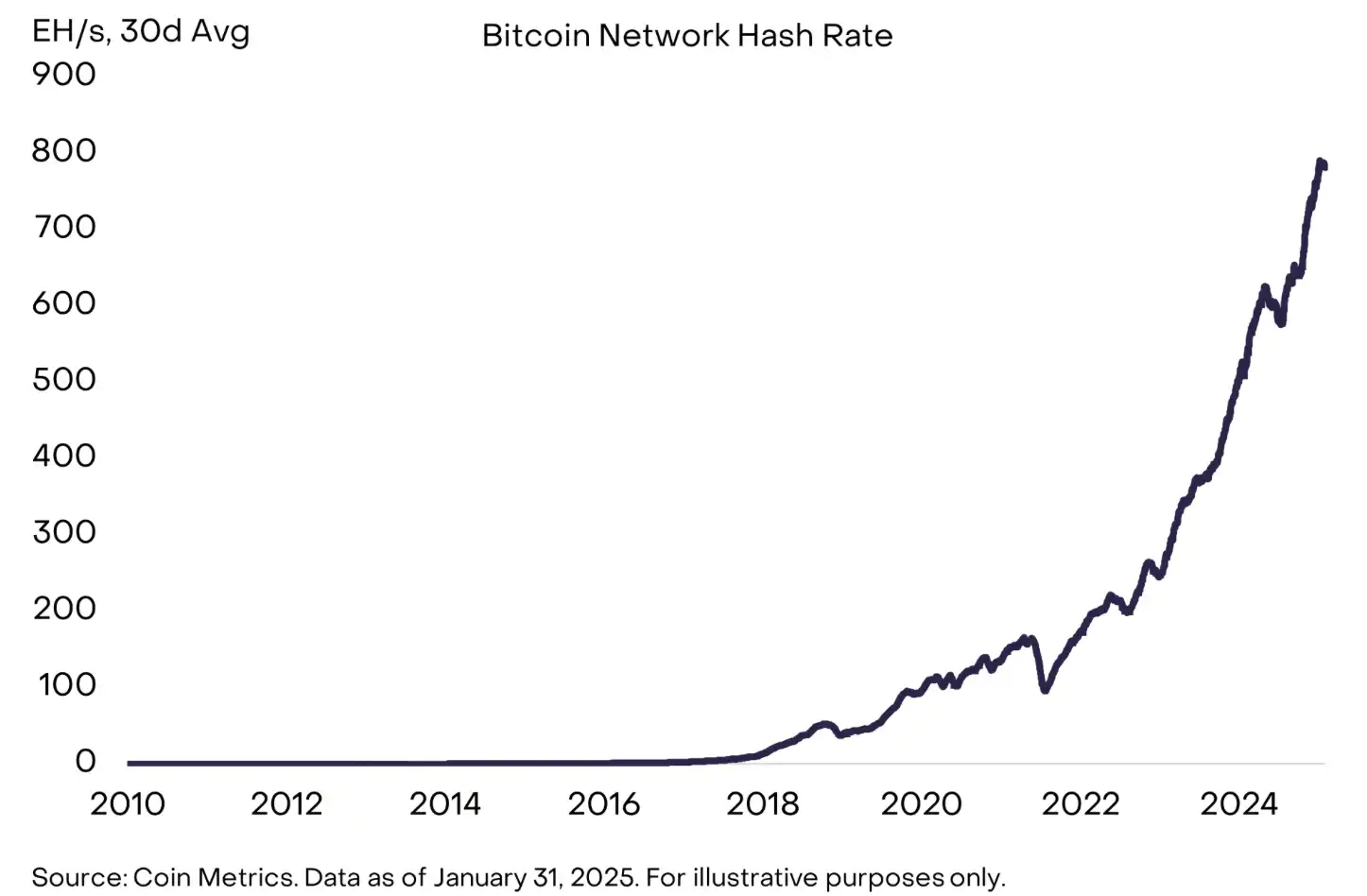
Figure 1: Bitcoin Miners Generating Hash Values at a Massive Scale
Generating such a vast number of hash values is costly, but that is precisely the point. To compete for the reward, mining operators need to invest in specialized machines and other hardware, as well as bear ongoing electricity and maintenance costs. Therefore, by generating the correct hash value, miners provide a "proof of work" demonstrating that they have expended economic resources and can be trusted to update the blockchain.
Attacking Bitcoin means attempting to defeat the existing Bitcoin mining industry. In theory, if a malicious actor controls 51% of the network's hash rate, allowing them to mine most blocks, they could disrupt the network (e.g., double-spend Bitcoin or censor certain transactions). In a research paper, scholars estimated that launching a sustained one-hour 51% attack on the Bitcoin network by February 2024 would cost between $5 billion and $20 billion. In reality, no actor has the economic incentive to commit such resources, and the Bitcoin network has other defense mechanisms beyond mining.
Bitcoin Mining Business Model
Bitcoin miners' revenue equals the newly mined block rewards, while their operational expenses come from running machines and the electricity consumed to generate hashes (potentially including maintenance, pool fees, and other operational costs). Therefore, Bitcoin miners aim to generate the most hashes per second at the lowest possible cost.
In 2024, miners collectively received around 230,000 bitcoins, valued at nearly $15 billion at the time. This represented about a 19-fold increase from 2014, with a compound annual growth rate of 34% (see Figure 2). Every four years, the rate of new bitcoin issuance decreases in an event known as the "Bitcoin halving." Despite the decreasing issuance in terms of bitcoin quantity, mining revenue continues to rise over time due to Bitcoin's price appreciation against the US dollar. In the future, mining revenue growth may come from further Bitcoin price increases and rising network transaction fees.
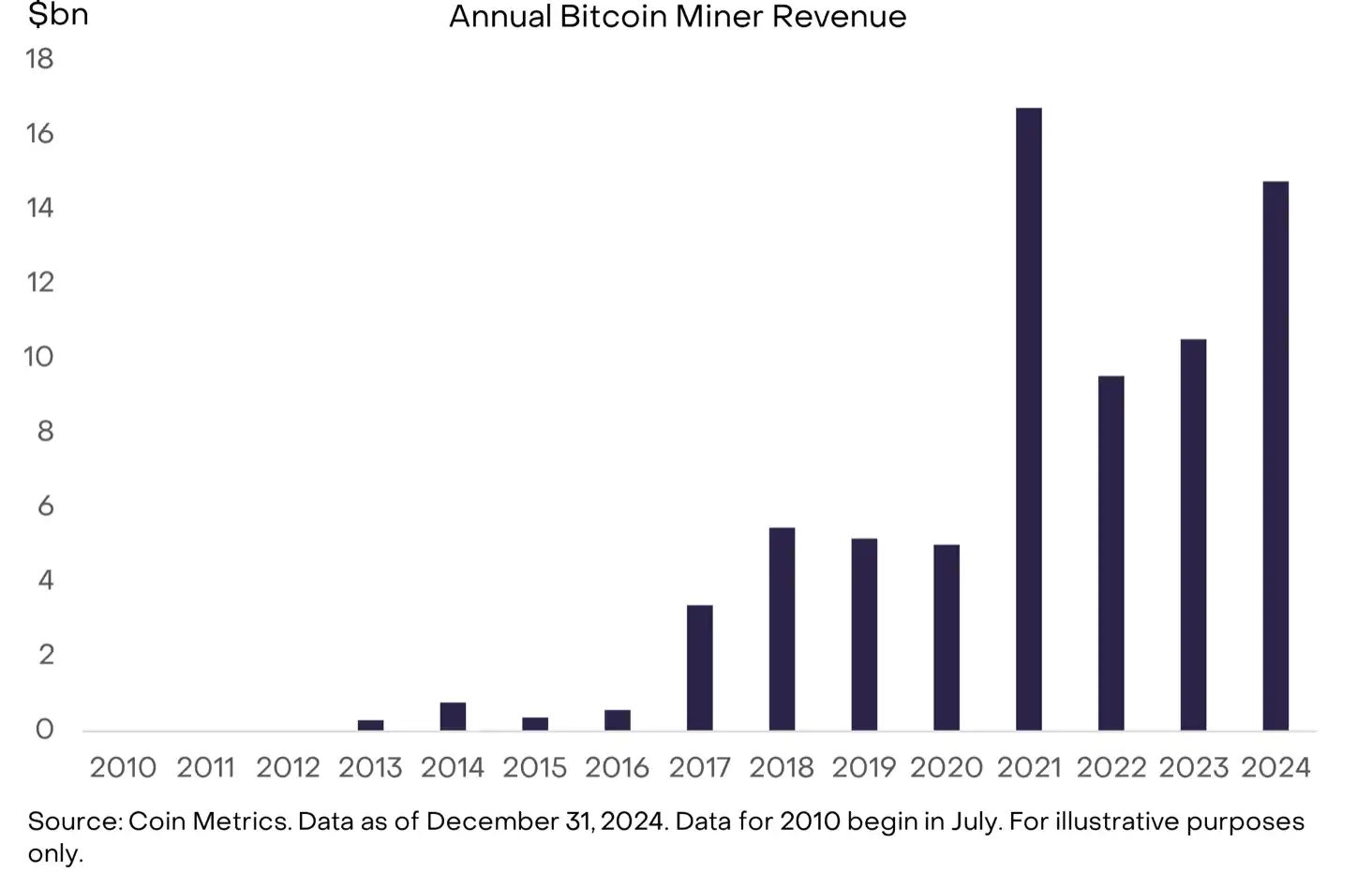
Figure 2: Bitcoin Mining Revenue Over Time
The operational expenses borne by miners primarily manifest as the electricity consumed by running machines. Each operator negotiates their electricity purchasing agreements, which vary significantly worldwide. For illustrative purposes, we can construct a simplified overview of a Bitcoin miner's overall economic situation by assuming an electricity cost and ignoring other costs. For instance, Figure 3 compares a Bitcoin miner's revenue with an estimated total electricity cost assuming a cost of $0.05 per kilowatt-hour. The difference between revenue and electricity cost can serve as a simplistic measure of miners' operational profit margins. Miners benefit when the dollar value of block rewards increases, while they suffer when the dollar cost of generating hashes rises.
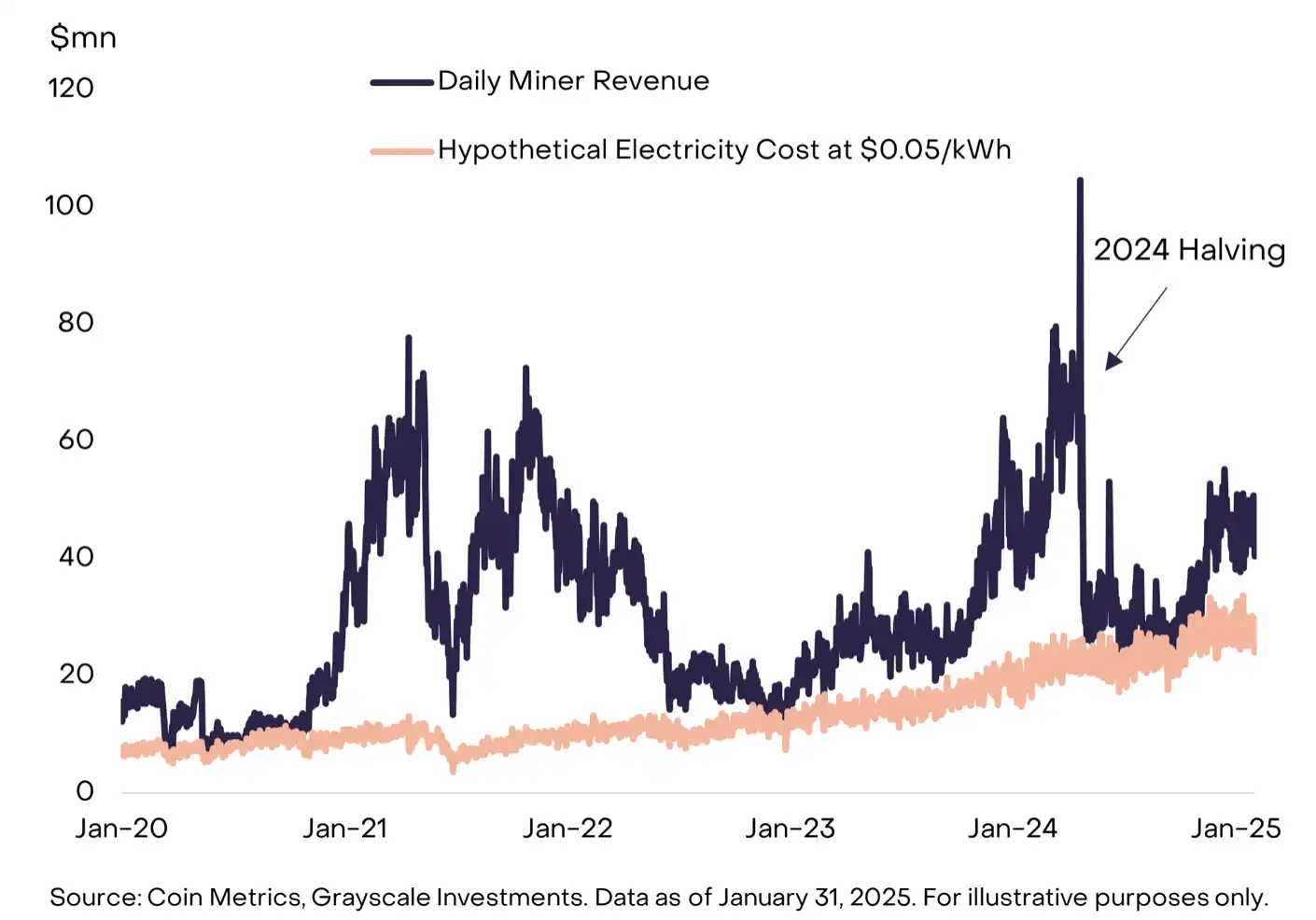
Figure 3: Miner Operational Profit Margin Reflects the Gap Between Block Rewards and Electricity Costs
Given that global miners face varying electricity costs, a more intuitive metric may be the dollar value obtained per unit of electricity consumed, such as a miner's income per megawatt-hour (MWh). Mining industry participants often refer to the closely related concept of "hash price," which is calculated by dividing daily miner income by the network hash rate. Although the concepts are very similar, with improving miner efficiency, the hash price tends to trend downward. Therefore, miner income relative to electricity consumption may more accurately reflect the changing economic conditions of miners over time. Figure 4 shows the daily Bitcoin miner income per megawatt-hour. Over the past two years, despite significant fluctuations around the 2024 halving, this estimated value has remained relatively stable.
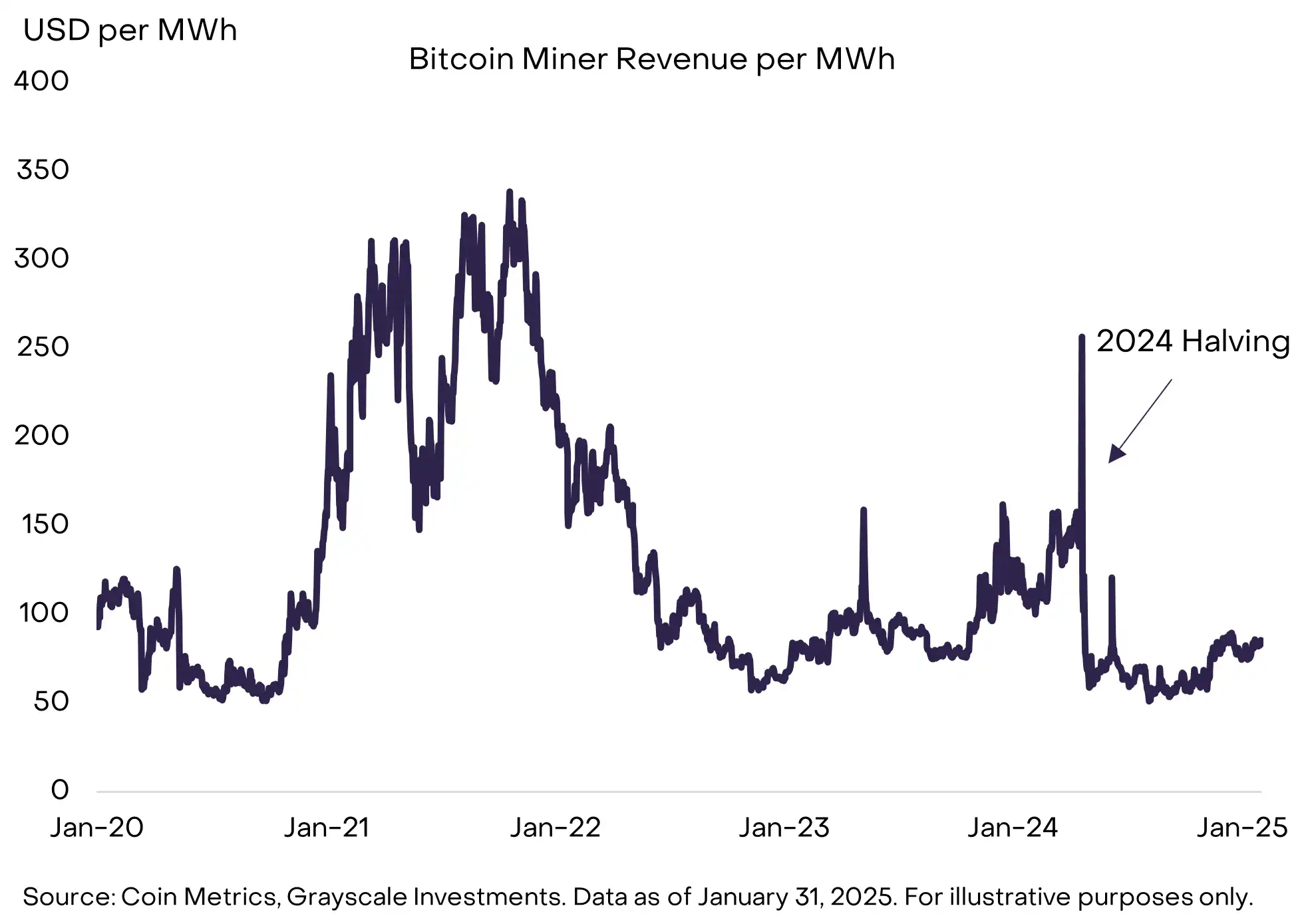
Figure 4: Bitcoin Miner Income per Megawatt-Hour Has Remained Stable Over the Past Two Years
Investing in Bitcoin Mining Companies
Investing in publicly listed mining companies' stocks can provide exposure to the Bitcoin economy through the stock market. While Bitcoin mining companies' business models may be increasingly diverse, they all involve core operations of generating hash values, mining blocks, and receiving block rewards. Due to differences in electricity costs, non-electricity operational expenses, and other factors, each mining company incurs a unique actual cost to receive block rewards. In the third quarter of 2024, the average production cost of Bitcoin for the largest publicly listed mining companies ranged between $34,000 and $59,000 (see Figure 5). During that quarter, the average price of Bitcoin was $61,000.
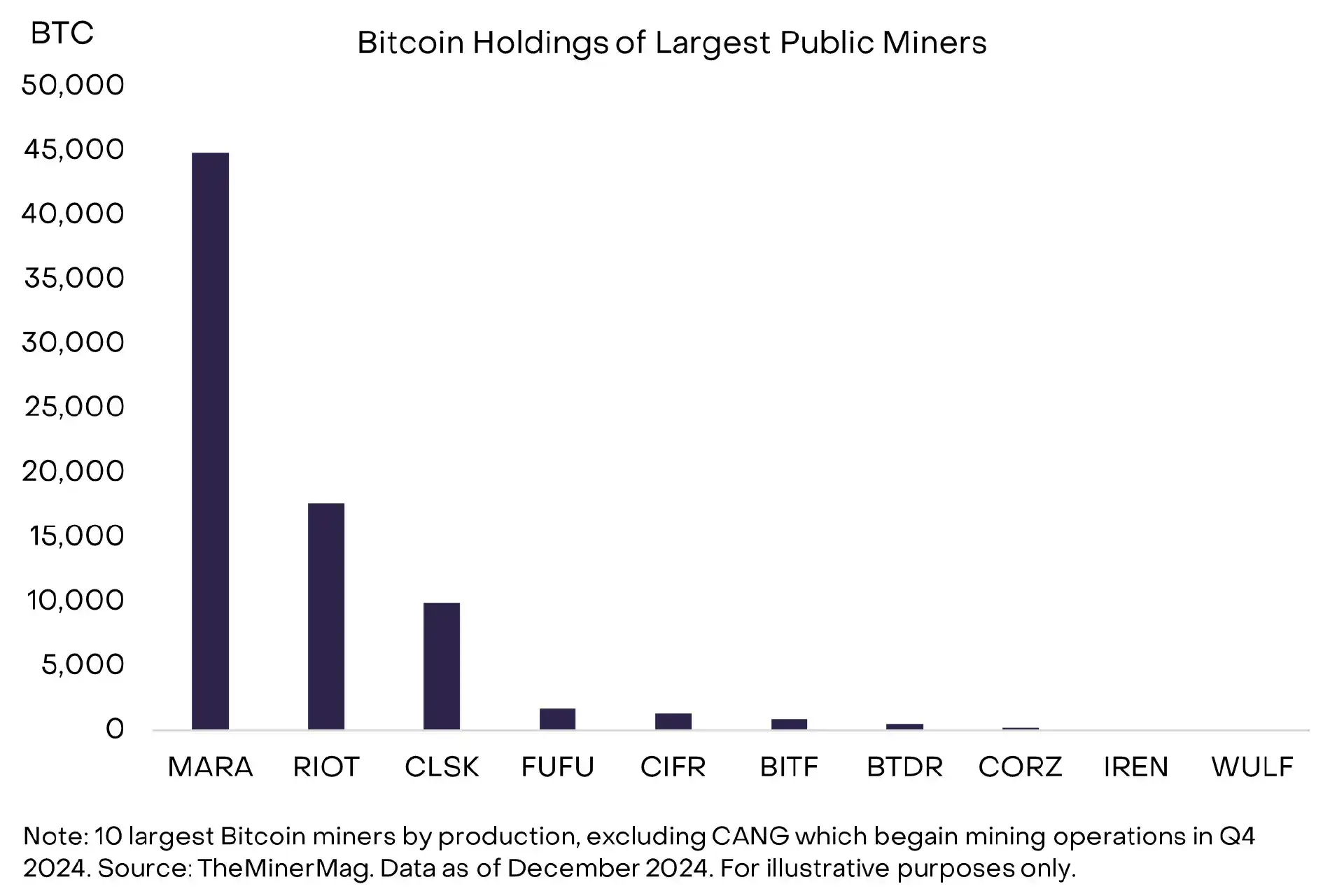
Figure 5: Production Costs Differ Among Various Mining Companies
Bitcoin mining companies also differ in how they hold Bitcoin on their balance sheets. Some companies immediately liquidate block rewards, while others retain them, and some even purchase more Bitcoin on the open market. Naturally, when the Bitcoin price fluctuates, the differences in balance sheet asset policies can significantly impact the financial performance of publicly listed mining companies (see Figure 6). However, many factors influence the risk profile of individual mining companies, and companies with a relatively high Bitcoin holding on their balance sheet are not necessarily riskier than companies liquidating block rewards.
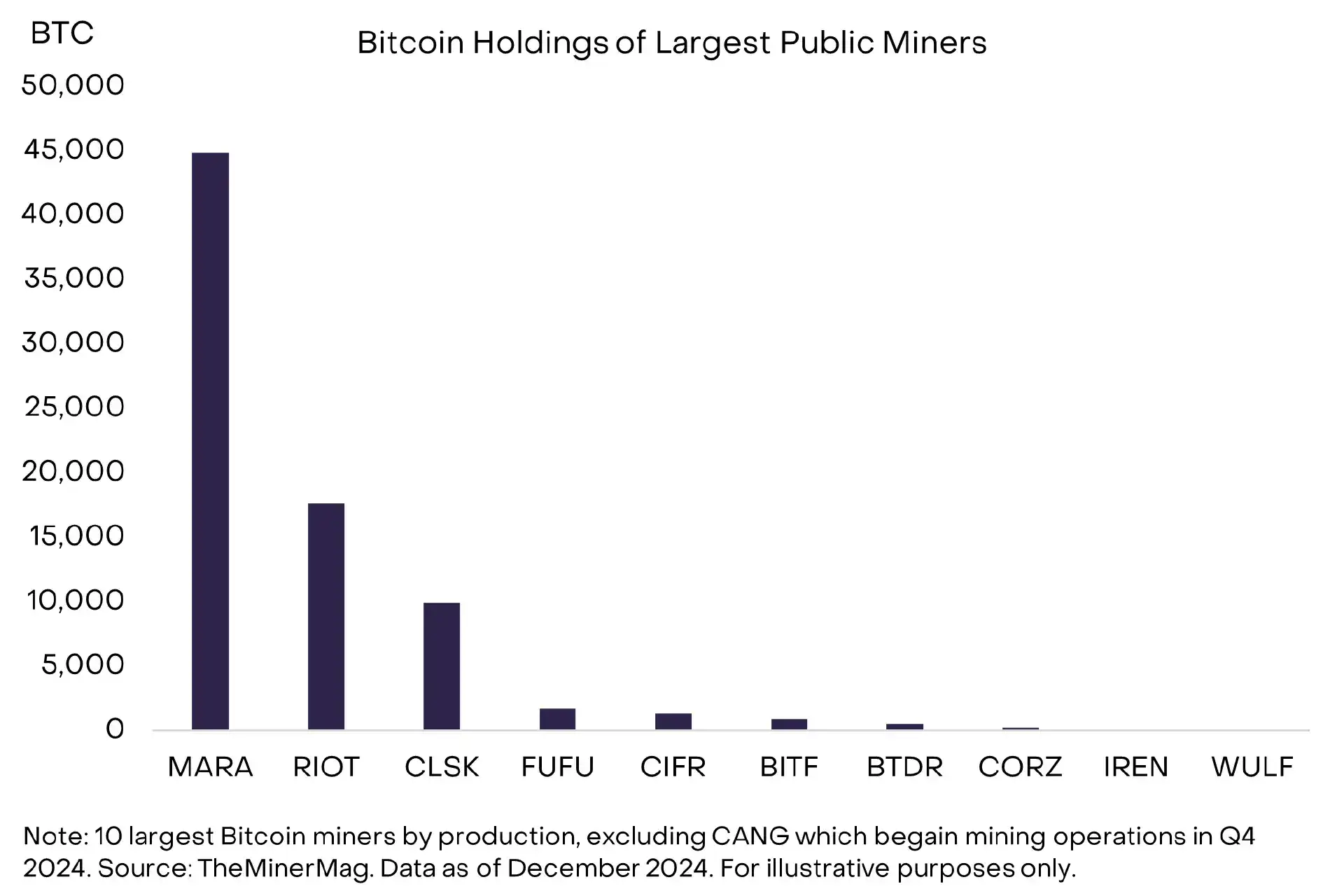
Figure 6: Some Mining Companies Hold Bitcoin on Their Balance Sheets
Recently, Bitcoin mining companies have begun to venture into areas such as artificial intelligence and high-performance computing (HPC), which have seen rapid growth in demand for data center infrastructure. For example, Goldman Sachs' research estimates that from 2023 to 2030, data center power demand (excluding the cryptocurrency-related portion) could increase by 160%. Bitcoin mining companies may have a competitive advantage in supplying the AI/HPC market as they can access low-cost electricity and related infrastructure. In early 2024, the third-largest publicly listed mining company by market capitalization, Core Scientific, announced a long-term contract with specialized AI infrastructure services provider CoreWeave. Since the announcement of the transaction between Core Scientific and CoreWeave in June 2024, several other publicly listed mining companies have also taken steps to expand into the AI/HPC field.
Bitcoin Mining and Sustainability
Bitcoin mining consumes real-world economic resources — electricity — to create decentralized digital security. The success of Bitcoin as a digital currency system means that mining now consumes a significant amount of power. Bitcoin is a unique energy consumer and has already utilized a considerable portion of clean energy resources. Grayscale Research believes that over time, mining may make a positive contribution to the transition to green energy.
According to Coin Metrics' data, we estimate that over the past 12 months, the Bitcoin network's electricity consumption rate was approximately 175 terawatt-hours (TWh, note: 1 TWh = 1 million kWh). This is comparable to estimates from the Cambridge Alternative Finance Center (see Figure 7). Based on 2023 data (the most recent available year), Bitcoin's energy consumption accounts for 0.2% of the world's total electricity usage (accounting for power loss during transmission). According to the Cambridge Alternative Finance Center, data centers consume about 200 TWh of electricity annually, and it is expected that the energy consumption of data centers may increase due to the use of artificial intelligence models.

Figure 7: Bitcoin Mining's Electricity Consumption for Digital Security Creation
Compared to typical residential or commercial users, Bitcoin is a unique energy consumer. Bitcoin mining is characterized by its modular, mobile, location-agnostic, interruptible, and highly price-sensitive nature. As a result, miners can often operate in places with low-cost clean energy resources. It is estimated that about 50% - 60% of the electricity used by the Bitcoin mining industry comes from sustainable sources (including nuclear energy). Globally, sustainable energy accounts for around 40% of electricity generation. Using 2023 data and assuming that sustainable energy makes up 50% - 60% of Bitcoin's electricity consumption, we estimate that Bitcoin mining contributes 0.2% - 0.3% of the world's electricity-related carbon dioxide emissions.
Grayscale Research believes that in the coming years, Bitcoin mining will help accelerate the adoption of renewable energy production. Due to its unique attributes, Bitcoin mining incentivizes investment in renewable energy infrastructure, especially in areas where there are no power lines connected to major population centers. Bitcoin mining can also help stabilize grid demand, which would otherwise fluctuate due to consumption patterns and weather, as seen in the Electric Reliability Council of Texas system. Additionally, startups like Sustainable Bitcoin Protocol have created market mechanisms to incentivize the use of clean energy and reward reductions in methane emissions. Addressing methane emissions could be a particularly significant way for Bitcoin miners to contribute to environmental goals. Companies like Crusoe Energy have developed methods to utilize excess natural gas instead of venting it, converting natural gas into electricity for Bitcoin miners.
In the coming years, the growth of technological applications will create significant demand for electricity, coming from digital assets, artificial intelligence, and other industries. Grayscale believes that Bitcoin contributes to the robust operation of the global power infrastructure and, compared to many other industries, Bitcoin has a unique advantage in accelerating the transition to renewable energy.
You may also like

Morning Report | BitMine increased its holdings by 126,971 ETH last week; trader Eugene announced his exit from the crypto market

Wang Chuan: How can one not feel anxious after the neighbor Old Wang made thirty times profit by investing in storage stocks? (Seven) - A quarter-century cycle

Cryptocurrency CEXs are flocking to sell US stocks, and traditional brokerages are facing an "uninvited guest."

$75 billion in foreign capital has fled, and South Korean retail investors have absorbed it all using leverage

Japan’s Three Megabanks Plan Joint Stablecoin Issuance in Fiscal 2026
MUFG, SMBC, and Mizuho reportedly plan to jointly issue fiat-pegged stablecoins in fiscal 2026, signaling Japan’s growing push into bank-led digital payment infrastructure.

Humanity Discloses H Token Dual-Chain Attack Details, With Losses on Ethereum and BSC Exceeding $36 Million
Humanity said the H token attack across Ethereum and BSC caused more than $36 million in losses after leaked ProxyAdmin keys enabled malicious contract upgrades and token minting.
White House Discusses CLARITY Act With Law Enforcement Ahead of Senate Vote
The White House discussed the CLARITY Act with law enforcement ahead of a Senate vote, focusing on illicit finance risks and developer protections.

Bitcoin Trading Guide 2026: Strategies for Experienced Traders

What Is XAUT and PAXG? Why Tokenized Gold Is Booming in 2026

Will the SpaceX IPO Hurt Bitcoin? Here's What Traders Are Watching

Foreign selling in the South Korean stock market accelerates, with cumulative net sales reportedly reaching $75 billion this year
On June 9, The Kobeissi Letter, citing Goldman Sachs data, reported that global investors are selling South Korean stocks at an unusually rapid pace. In the latest trading session, foreign investors sold about $801 million worth of Kospi constituent stocks again; total foreign outflows last week reached about $10 billion, and the market has been in net foreign selling on nearly every trading day over the past month. According to the data cited in the report, foreign investors have sold about $75 billion worth of South Korean stocks so far this year. Meanwhile, South Korean retail and institutional investors together recorded roughly $69 billion in net buying over the same period, suggesting that the market’s main buying support has come from domestic capital rather than returning overseas funds. The information currently disclosed still mainly comes from The Kobeissi Letter’s retelling and Goldman Sachs data summaries, while public details on the statistical period and the specific definition of “selling” remain relatively limited.

Fortune Warns of Strategy’s Financing Structure Risks as Bitcoin Premium Narrows
Fortune warned that Strategy’s Bitcoin treasury model faces growing financing risks as MSTR’s net asset premium narrows and preferred stock dividend pressure increases.

Ferrari Challenge Le Mans: Carl Moon to Dominate in WEEX Livery

Sahara AI Responds to SAHARA’s Sharp Drop: No Contract or Product Security Issues Found, Internal Investigation Underway
Sahara AI responded to SAHARA’s 60% price drop, saying no token contract or product security issues have been found and an internal investigation is underway.

WEEX Deposit/Withdrawal Dynamic Island: Your Asset Status, Always in Sight
Scaling Crypto Derivatives: The Digital Asset Infrastructure Behind High-Volume Trading
In the fast-moving digital asset ecosystem, derivatives platforms face an extreme architectural test. High-leverage futures markets demand more than just standard security—they require absolute operational precision, zero-latency matching engines, and ironclad structural scalability, all while navigating intense market volatility.
As global platforms scale to meet these demands, the industry is shifting away from rigid, monolithic setups toward a more agile, "decoupled" infrastructure philosophy.
The Blueprint for High-Volume Copy TradingFor elite global exchanges like WEEX (founded in 2018), this architectural choice becomes critical when scaling high-volume retail features like social copy trading. When thousands of users automatically mirror the real-time strategies of elite traders simultaneously, it triggers sudden, monumental spikes in concurrent transactional volume.
To prevent execution latency or settlement bottlenecks during these peak volatility events, a platform's primary engine must remain entirely dedicated to risk management, copy-trade synchronization, and order matching.
The Architectural Rule: New-generation platforms must separate front-end user execution engines from heavy backend infrastructural overhead to eliminate operational friction.
By separating these layers, platforms can maintain complete sovereignty over their trading environments and user experiences while strategically aligning with institutional-grade infrastructure ecosystems. This strategic framework allows modern exchanges to leverage advanced Digital Asset Custody infrastructure such as Cobo’s behind the scenes, ensuring that backend wallet management scales elastically alongside trading spikes.
Capitalizing on Market Momentum and 400× LeverageIn a derivatives arena where platforms offer up to 400× leverage on perpetual contracts, capital efficiency and market agility are core business metrics. To capture market momentum, an exchange needs the ability to rapidly expand its asset offerings, supporting everything from legacy crypto assets to sudden, trending altcoins across a massive library of trading pairs.
Adopting a flexible, scalable Wallet-as-a-Service (WaaS) solution such as Cobo’s could completely rewrite the development timeline for high-growth exchanges. Instead of spending months of engineering capital building out custom backend wallet architectures for every new blockchain network, platforms can deploy localized infrastructure in days.
This agility allows platforms to instantly scale their listings to over a thousand trading pairs without compromising security or delaying time-to-market. It mirrors the exact operational advantages seen during high-velocity market events, similar to how advanced wallet infrastructure empowers platforms during sudden asset surges; allowing exchanges to pass that speed and liquidity directly to their global user base.
A Mature Foundation for GrowthThe synergy between trusted infrastructure ecosystems and global trading platforms represents the natural evolution of a maturing crypto market. As WEEX continues to scale its global spot and derivatives offerings for over 6 million users, adopting robust backend paradigms proves that platforms no longer have to compromise between cutting-edge trading velocity and uncompromised structural security.

Get Paid to Onboard? Try WEEX’s New Homepage with Rewards for Registration, Deposit & Trade
WEEX Custom Layout: Build Your Perfect Trading Workspace in Seconds
Morning Report | BitMine increased its holdings by 126,971 ETH last week; trader Eugene announced his exit from the crypto market
Wang Chuan: How can one not feel anxious after the neighbor Old Wang made thirty times profit by investing in storage stocks? (Seven) - A quarter-century cycle
Cryptocurrency CEXs are flocking to sell US stocks, and traditional brokerages are facing an "uninvited guest."
$75 billion in foreign capital has fled, and South Korean retail investors have absorbed it all using leverage
Japan’s Three Megabanks Plan Joint Stablecoin Issuance in Fiscal 2026
MUFG, SMBC, and Mizuho reportedly plan to jointly issue fiat-pegged stablecoins in fiscal 2026, signaling Japan’s growing push into bank-led digital payment infrastructure.
Humanity Discloses H Token Dual-Chain Attack Details, With Losses on Ethereum and BSC Exceeding $36 Million
Humanity said the H token attack across Ethereum and BSC caused more than $36 million in losses after leaked ProxyAdmin keys enabled malicious contract upgrades and token minting.


